Natural, autologous treatment (uses your own blood components)
Supports skin quality: hydration, texture, elasticity and glow over time
Popular for delicate areas such as under-eye rejuvenation / tear trough support
Regenerative approach for patients seeking a natural filler alternative
Can complement other treatments (e.g., microneedling or polynucleotides, where clinically appropriate)
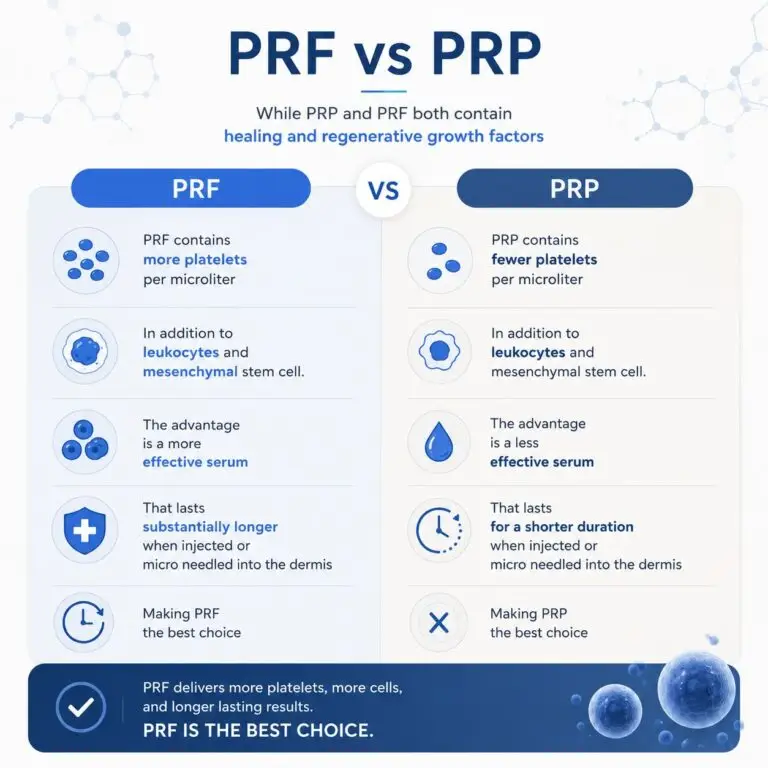
PRF is commonly described as a “second generation” evolution of PRP. It uses a specific preparation method to create a platelet- and leukocyte-rich fibrin matrix that can be placed into targeted areas of the face or scalp.
The fibrin matrix acts like a natural scaffold, supporting a slower, sustained release of growth factors compared with PRP preparations.
We do not follow trends or standardised dosing. Every face is assessed anatomically and dynamically.
Approximately 30–60 minutes
includes consultation checks + blood draw + treatment
Minimal to none
Mild swelling/bruising can occur.
Commonly 2–3 sessions
The number of sessions depends on the concern and response.
Gradual and progressive
Many patients review changes over weeks, not days. Longevity varies and requires review.
Topical anaesthetic
Topical anaesthetic may be used for comfort where appropriate.
A medical consultation is required
We’ll advise against treatment if it’s not clinically appropriate.
At DNC, PRF is approached as a medical procedure — not a trend. Every treatment plan is built around facial anatomy, skin integrity, and realistic outcomes.
We enhance, we don’t overcorrect. Recommended to patients who want subtle, progressive change and a skin-health mindset.
Step 1: Medical Consultation
Medical history, facial assessment, and discussion of goals. You’ll have time to ask questions.
Step 2: Personalised Plan
We confirm the treatment areas (e.g., under-eye, acne scars, skin quality, scalp) and recommend an appropriate course.
Step 3: Treatment Appointment
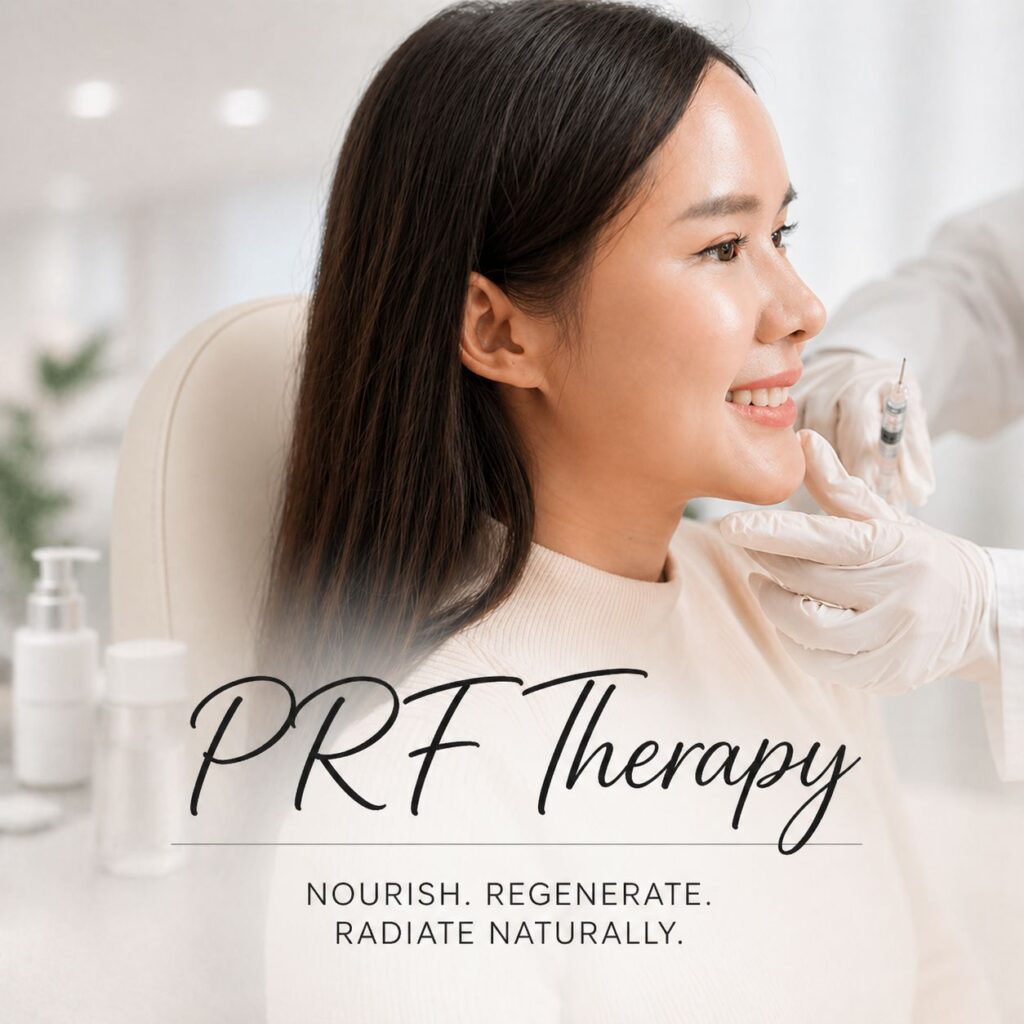
A small blood sample is taken. PRF is prepared and carefully injected into targeted areas.
Step 4: Review & Follow-Up
Follow-up appointments allow us to assess response and discuss maintenance if appropriate.

We follow a medical-first approach. Your suitability is assessed before any procedure, and we provide clear aftercare guidance.
PRF is processed differently from PRP and forms a fibrin matrix that may support slower release of growth factors. However, both treatments have different indications. The most appropriate option depends on your medical assessment and treatment goals.
PRF is sometimes marketed as a “bio-filler” because it’s autologous and can offer subtle support in certain areas, but it is not the same as hyaluronic acid dermal fillers. We’ll guide you on the most suitable option.
Longevity varies. Some studies note improvements can reduce over time and may require maintenance depending on the concern and individual response.
Most patients return to normal activities the same day. Mild swelling, redness, tenderness, or bruising can occur.
PRF uses your own blood components, which reduces allergy risk, but all procedures carry potential side effects. Suitability screening and medical oversight matter.
In some cases, PRF may be paired with treatments like microneedling or other regenerative approaches, depending on your skin goals and suitability.
Start with a medical consultation so we can assess suitability, understand your goals, and create a natural, personalised plan.