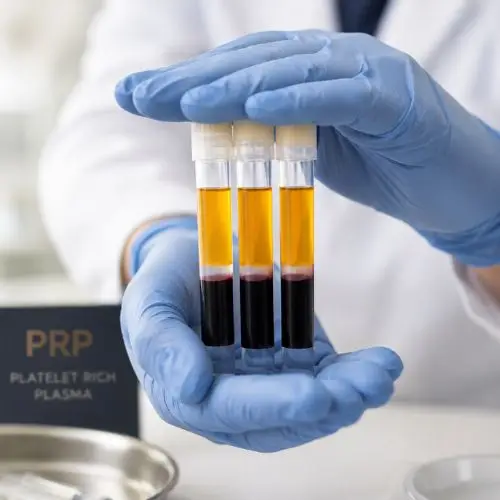
PRP is created by taking a small blood sample, spinning it in a centrifuge, and isolating a platelet-rich layer. Platelets release signalling proteins that play a role in tissue repair processes.
Areas treated:
Face / neck / décolletage / scalp (based on plan)
We do not follow trends or “one-size-fits-all” protocols. Treatment is planned based on your skin/scalp assessment, medical history, and realistic outcome discussion.
Approximately 30–60 minutes
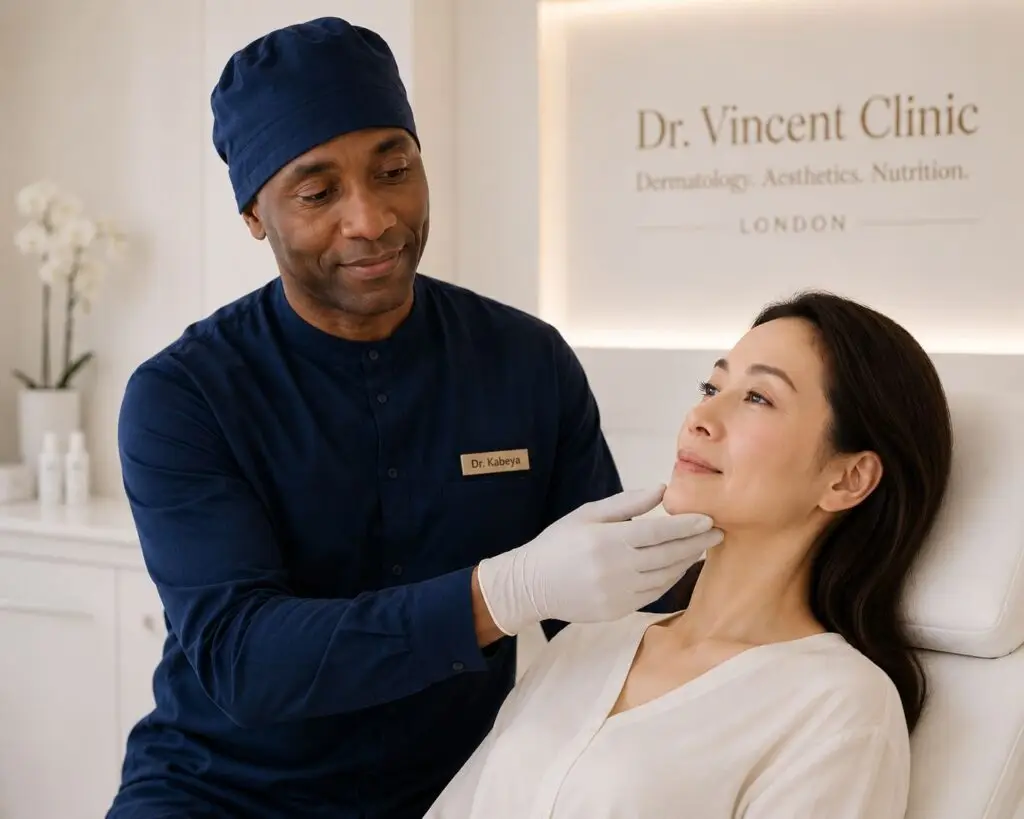
The treatment itself is relatively quick, following a medical consultation and facial assessment.
Minimal to 48 hours
mild redness and swelling possible
Commonly 3 sessions
Three sessions (4–6 weeks apart), then maintenance if appropriate.
Gradual; typically weeks to months
Patients can expect a gradual transformation as the body’s natural repair mechanisms kick in, typically revealing visible improvements in hair density, skin texture, or joint mobility within three to six months.
Topical anaesthetic may be used for comfort
Topical numbing cream is typically applied before both injections and microneedling to ensure maximum patient comfort.
Prescription-only medical treatment
PRP is most suitable for clients who are in generally good health but are looking for a minimally invasive, natural alternative to surgery or long-term medication.
At DNC, PRP is delivered as a medical intervention — not a beauty trend. Planning is conservative, anatomy-led, and designed around long-term skin health.
Medical assessment & contraindication checks
Clear, ethical expectations (no exaggerated claims)
Technique selection: injection PRP, microneedling + PRP, or combined protocols
Hygiene and safety-first processing in a clinical setting
Aftercare + review pathway
We enhance without overcorrecting. PRP is chosen when it supports a subtle, progressive improvement in skin quality or scalp health.
Step 1: Medical Consultation
We review your goals, medical history, medications, and suitability.
Step 2: Personalised Plan
We agree a plan (skin PRP vs scalp PRP, course length, combination options like microneedling).
Step 3: PRP Appointment
Blood draw → PRP preparation → treatment performed by a medical
Step 4: Review & Follow-Up
We assess outcomes and refine if clinically appropriate.

PRP is a procedure that must be marketed responsibly. We follow a consultation-first, suitability-led approach.
Most patients describe mild to moderate discomfort. Topical numbing can be used for face treatments.
Because PRP uses your own blood, allergic reaction risk is low, but side effects like bruising/swelling can occur. Suitability matters.
Most patients describe minimal, brief discomfort. We’ll talk you through what to expect.
Many patients choose a course of 3 sessions, then maintenance depending on goals and response.
Absolutely; it is frequently paired with microneedling, hair transplants, or physical therapy to significantly enhance the overall outcome.
Stay well-hydrated and avoid anti-inflammatory medications (like Ibuprofen) for at least one week prior, as these can interfere with your platelets’ natural healing response.
Start with a medical consultation so we can assess suitability, understand your goals, and create a natural, personalised plan.