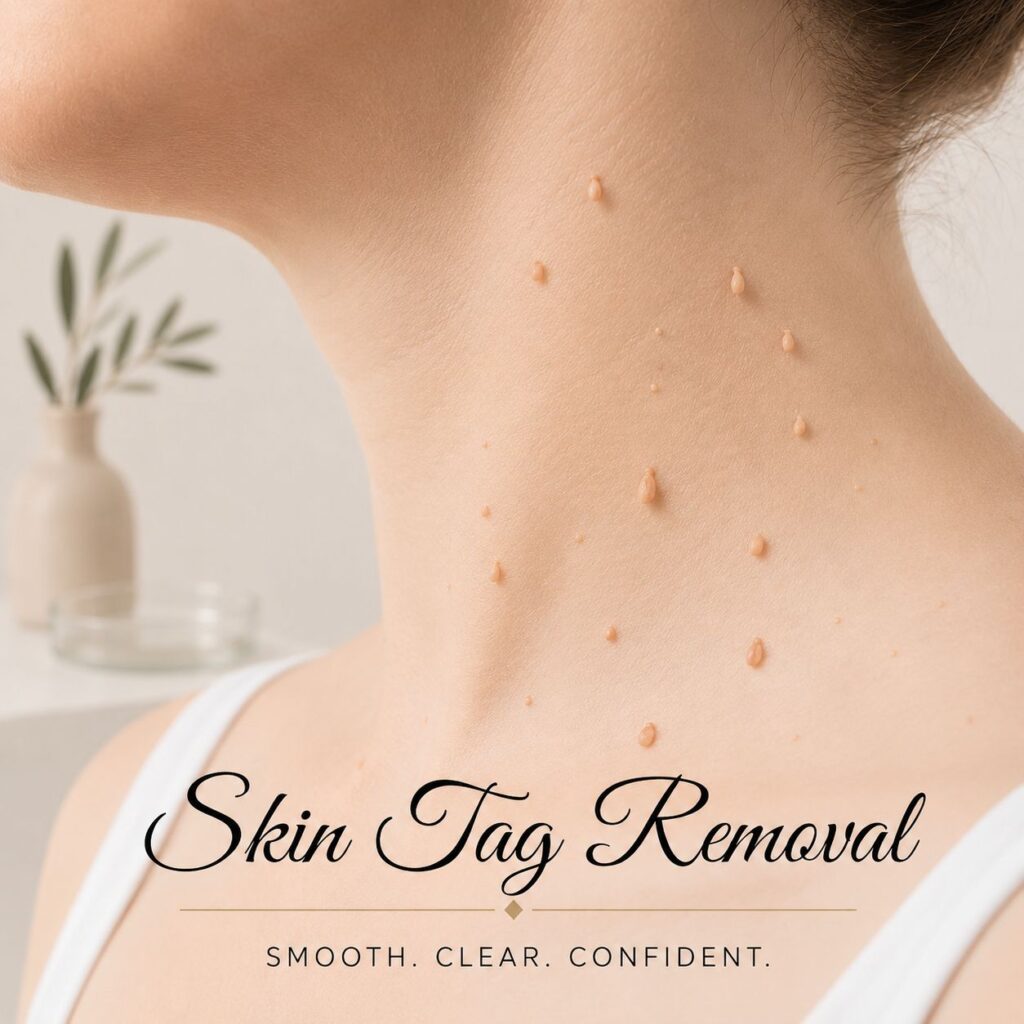
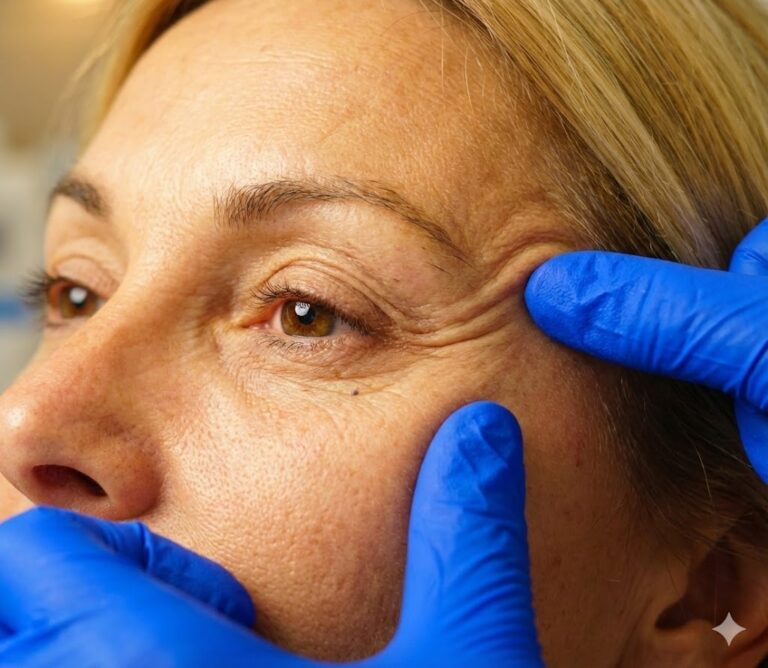
Skin Tag Removal

Skin Tag Removal in Harley Street, London

Discreet, clinically assessed treatment for skin tags using advanced dermatological techniques — performed by an experienced medical doctor.
Why Patients Choose Mole Removal

What Are Skin Tags?

Medically Accurate Skin Assessment

Skin tags (acrochordons) are common, benign growths of skin that often develop in areas of friction such as the neck, underarms, eyelids, and groin.

While harmless, they may:

  • Catch on clothing or jewellery
  • Cause irritation or bleeding
  • Affect confidence, especially in visible areas

At DNC clinic, every lesion is clinically assessed first to confirm it is safe to remove.

Common areas treated:

Skin Tags Removal — Key Facts

Treatment time icon
Procedure Time

Approximately 15–30 minutes

Downtime icon
Downtime

Minimal to none

Number of treatments icon
Number of Treatments

Typically one session

Results

Immediate removal (healing over days)

Anaesthetic

 Usually not required (topical if needed)

Suitability

Adults with clinically assessed benign lesions

Why Choose a Doctor-Led Approach?

Unlike non-medical clinics, we prioritise diagnosis before treatment.

The Dr Vincent Philosophy: Natural & Medical -First

We treat skin with precision, not trends.

Focus on skin health, not just appearance

Subtle, clean results

Ethical, evidence-based care

Treatment Journey

Step 1: Medical Consultation
Full skin assessment to confirm diagnosis.

Step 2: Personalised Plan
Selection of the safest and most appropriate removal method.

Step 3: Treatment 
Quick, precise removal in a clinical setting.

Step 4: Aftercare & Review
Guidance on healing and optional follow-up.

Safety, Regulation & Ethical Practice

Skin tag removal is a minor medical procedure and requires a clinical assessment before treatment, appropriate technique selection, and medical oversight. 

Skin Tag Removal Treatment FAQs

Are skin tags dangerous?

Most are benign, but assessment is essential to rule out other conditions.

Usually well tolerated. Local anaesthetic may be used if needed.

Removed lesions typically do not return, but new ones may develop.

We aim to minimise scarring using precise techniques, but healing varies.

Yes, depending on clinical assessment.

Yes — this is essential for safe and appropriate treatment.

Book Your Consultation

Start with a medical consultation so we can assess suitability, understand your goals, and create a natural, personalised plan.